

Crisis & conflict
In times of crisis and conflict, Oxford is stepping forward as a place of sanctuary, solidarity, and action. Working in close partnership with communities, we are supporting asylum seekers and refugees in our community to access learning opportunities and feel a sense of belonging, while also offering sanctuary and targeted programmes for academics whose lives and work have been upended by conflict. By mobilising our educational, research, and convening strengths, we want to help rebuild futures, preserve ideas, and support recovery long after the immediate crisis has passed.


When crisis disrupts lives and learning, universities have a responsibility to respond with care, clarity, and commitment.
Oxford’s work in this area is bringing together academic research and practical support for people affected by conflict, displacement, and persecution. Through its commitment as a University of Sanctuary, Oxford seeks to be a welcoming and inclusive place for those who have been forced to leave their homes, whether they are prospective students, current scholars, or members of the wider community.
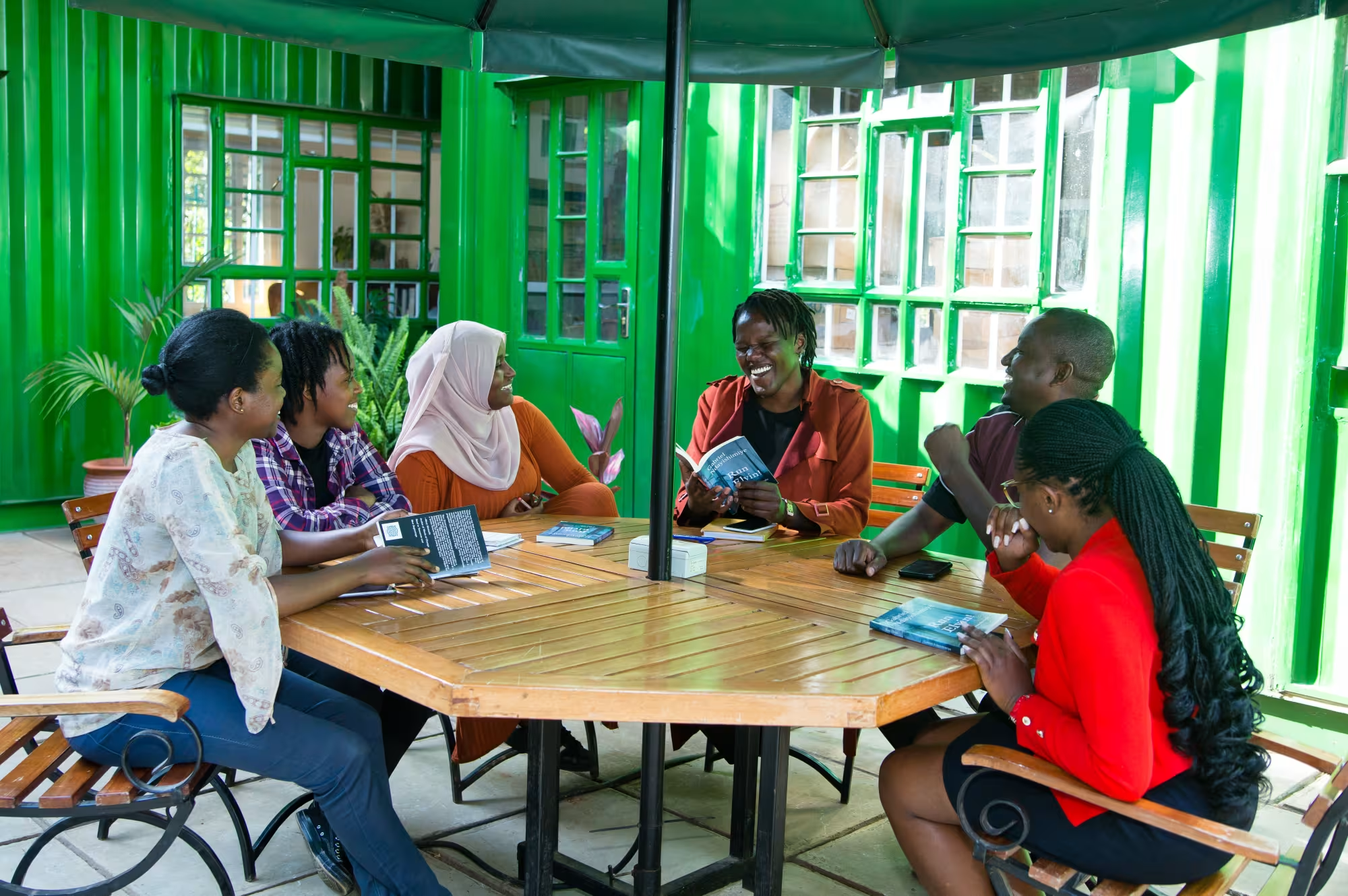
Researchers across departments and centres examine forced migration, humanitarian response, international law, and conflict recovery, contributing evidence to inform policy and practice globally. Alongside research, the University and its colleges are working together to deliver scholarships, tailored student support, community events, and partnerships with local organisations to foster belonging and opportunity.
Below you can explore examples of research centres, scholarships, and engagement initiatives that bring this commitment to life.
Research, insight, and global leadership
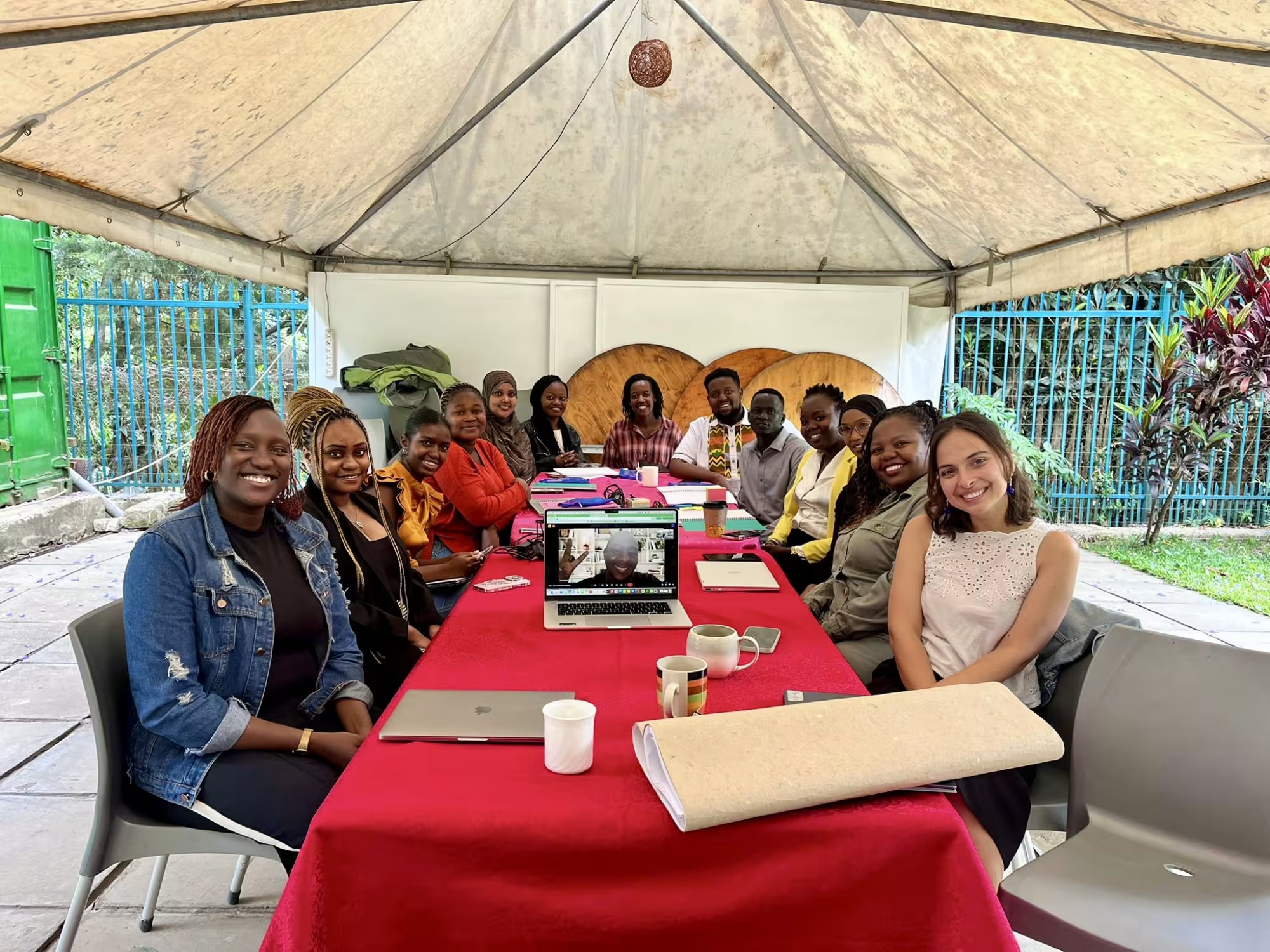
The Refugee-Led Research Hub is housed in the University's Refugee Studies Centre, supporting a global community of people with lived experience of forced displacement to access higher education, lead research, and build professional careers. Working with more than 1,400 affiliates across 80+ countries, RLRH operates from hubs in Nairobi, Kakuma Refugee Camp (Kenya), Kampala (Uganda), Kuala Lumpur (Malaysia), and Oxford, with an active affiliate community in Amman (Jordan). RLRH creates structured pathways from study to leadership through academic programmes including graduate access and bridging courses, research led by displacement-affected scholars, and professional placements within humanitarian, policy, and research organisations.
Sanctuary, access, and community support
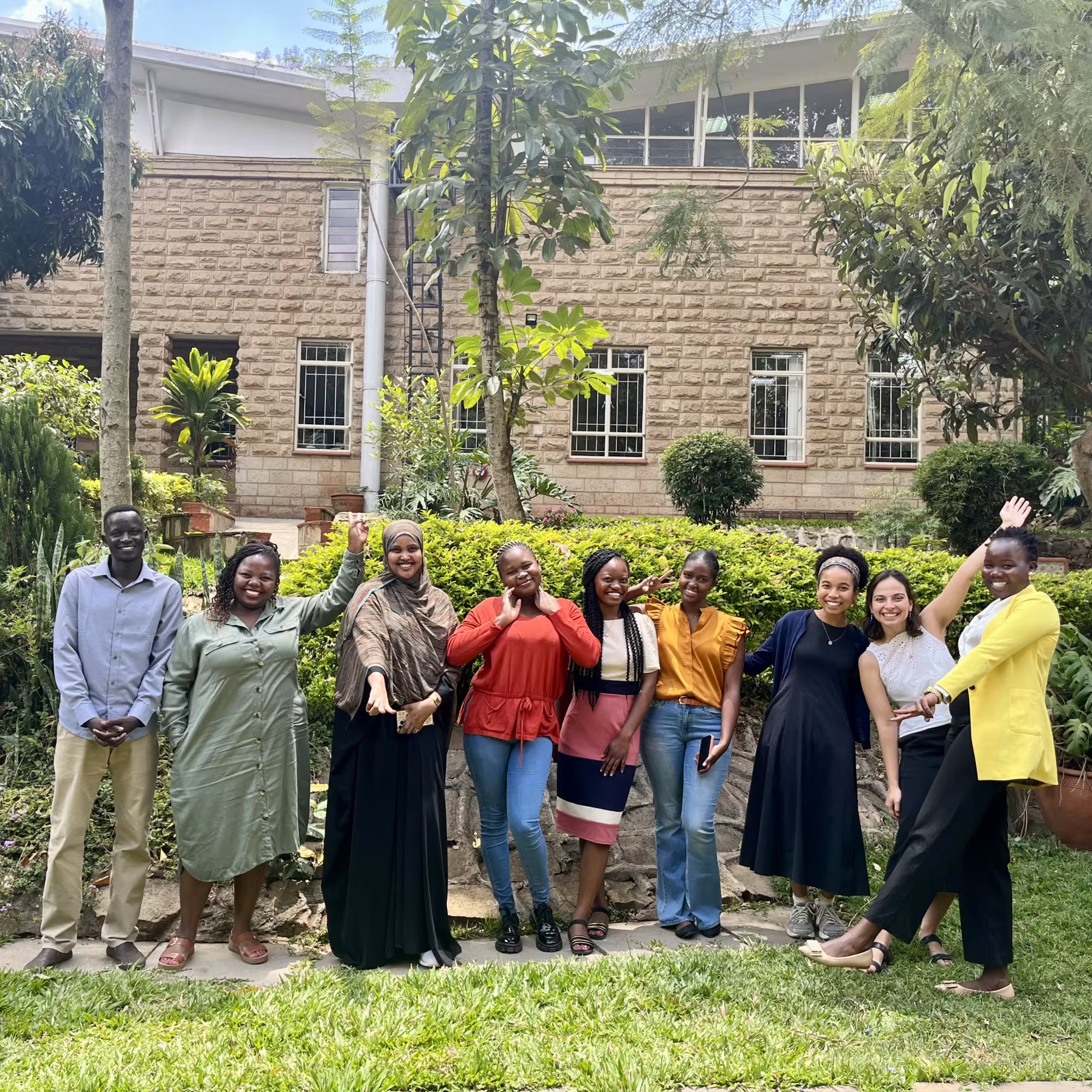
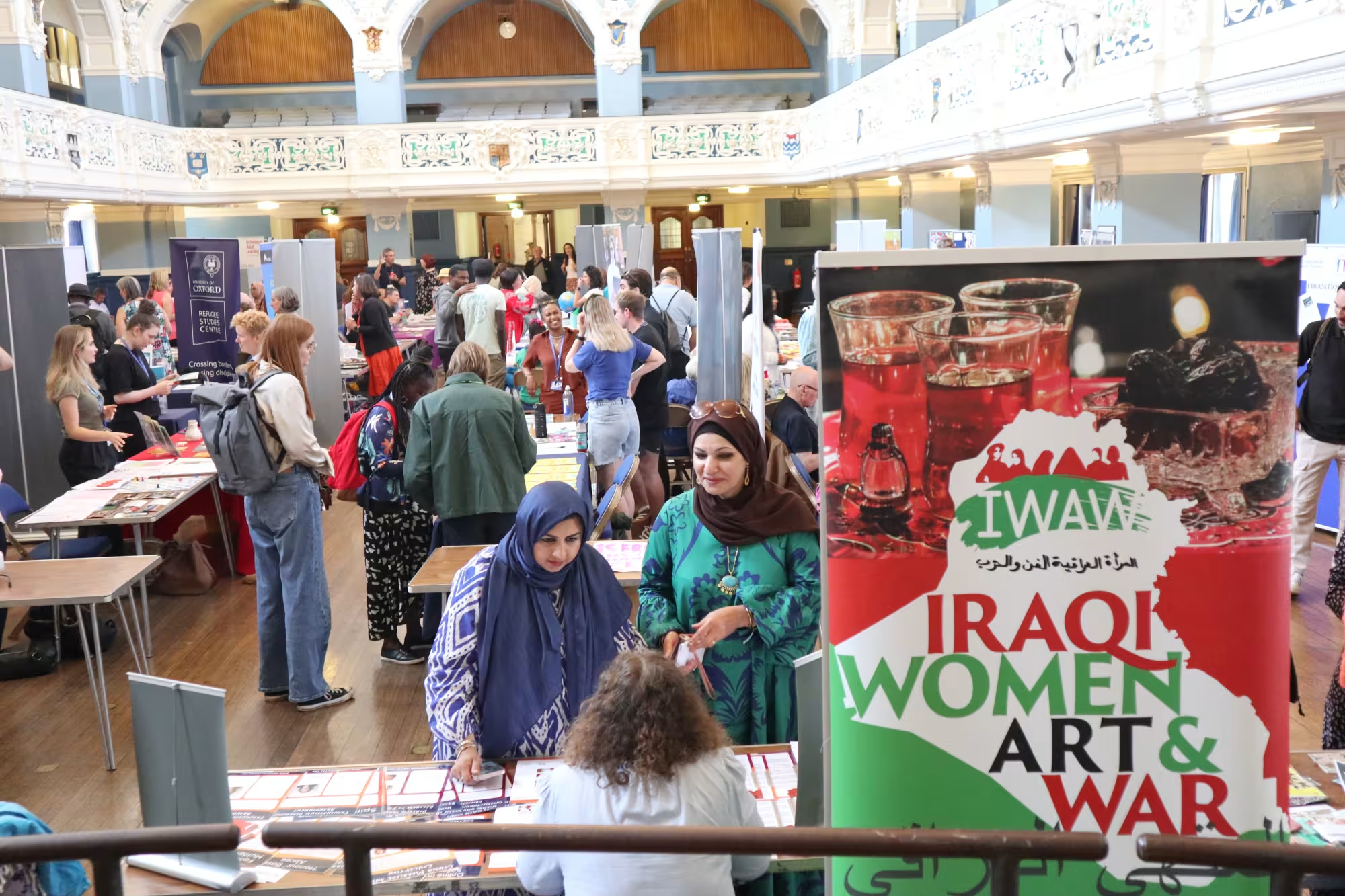
The University of Oxford was awarded University of Sanctuary (UoS) status in May 2023 for its long-term commitment of facilitating access to higher education and postdoctoral research opportunities for people with displacement backgrounds; joining 70 universities across the UK supporting the City of Sanctuary Initiative, a broader sanctuary and refugee support ecosystem in the country. As part of our sanctuary commitment, we offer over 50 sanctuary related scholarships to students and host CARA research fellows each year. The Oxford Sanctuary Community (OSC), a cohort wide programme, was initiated to offer bespoke support to all those affected by displacement and conflict. OSC is aimed at enriching scholars’ all-rounded experience through tailored events, community building, and guidance navigating available resources across the collegiate university. As part of our wider commitment to local engagement, we will be having our 4 annual Sanctuary Fair on Saturday 13th June 2026, just before Refugee Week. More details to come.
Rethinking how we see displacement
Refugee Stories is a documentary developed through Oxford’s Refugee Economies Programme, offering a grounded view of life in Kakuma Refugee Camp in Kenya. Rather than focusing on extremes, the film follows individuals across different living conditions, revealing the everyday realities of long-term displacement. By combining research with lived experience, the film challenges dominant narratives and offers a more nuanced understanding of resilience, inequality, and opportunity within refugee communities.
Pathways to support and opportunity


External Engagement
Partnerships, research, collaboration and resources form a connected portfolio, linking activity from local communities to global contexts and creating impact beyond the University.


